
THE PUBLICITY
drama
Branislav Nušić
The dramatic works of Serbia’s most renowned comedy writer are performed on stage less frequently than his comedies, yet they too possess Nušić’s distinctive universality and relevance. By exploring human nature, mentality, and weaknesses, Nušić’s dramas remain just as relatable to audiences today.
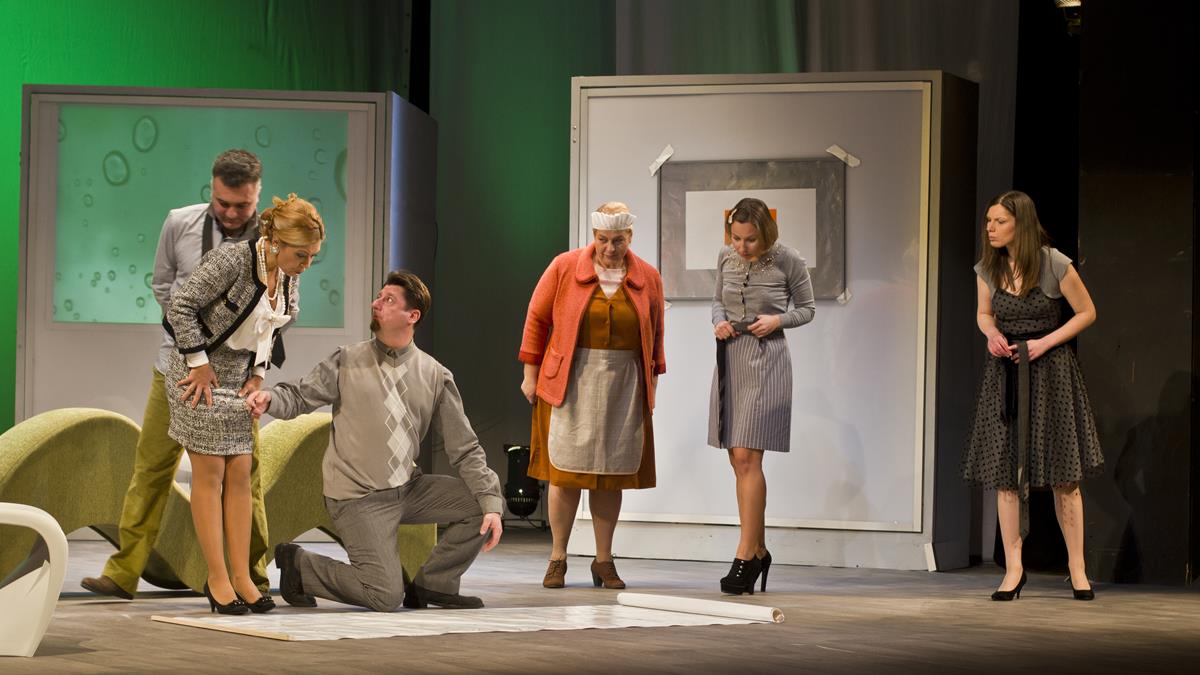
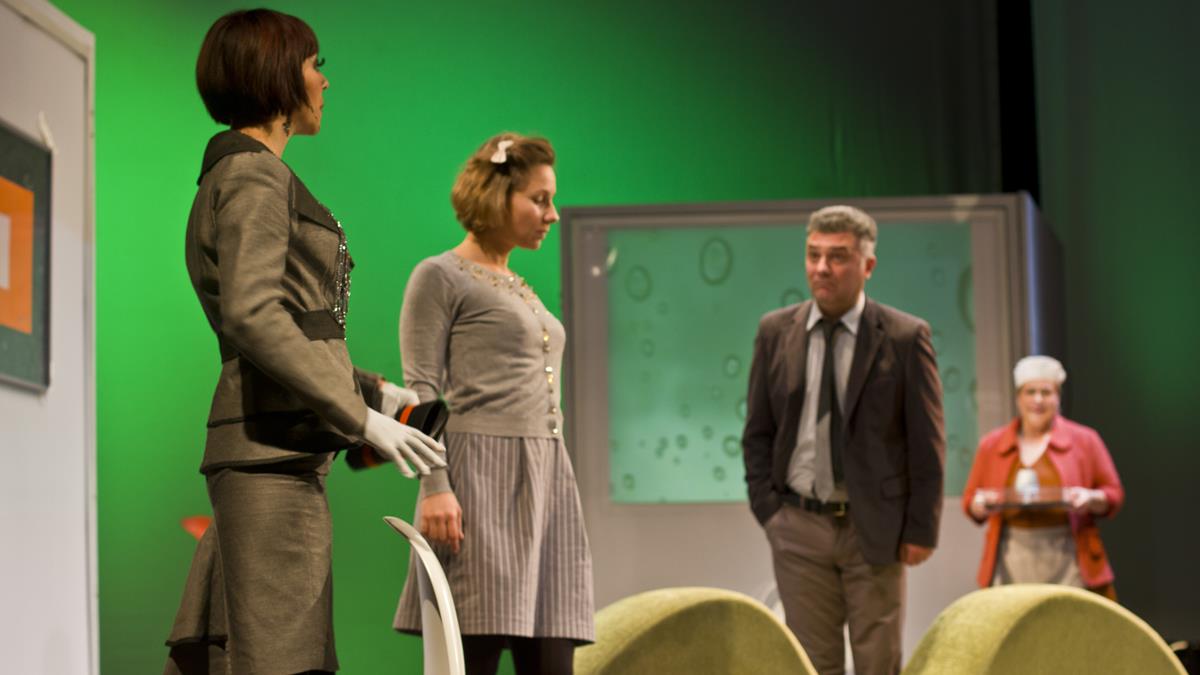
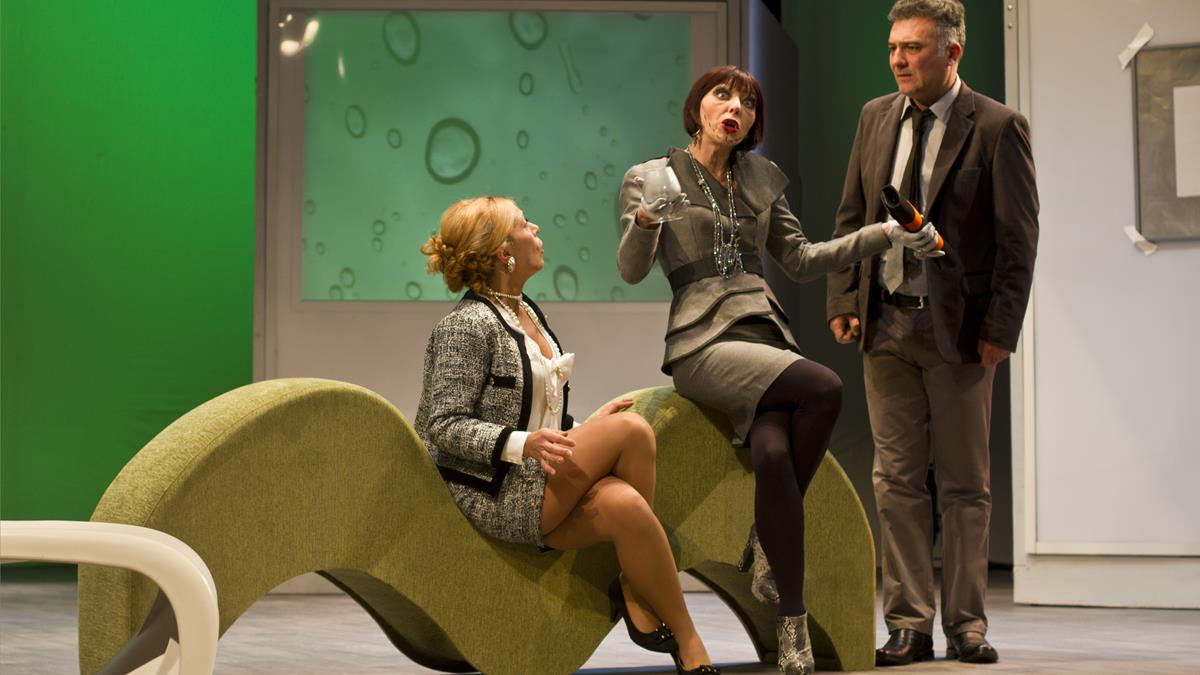
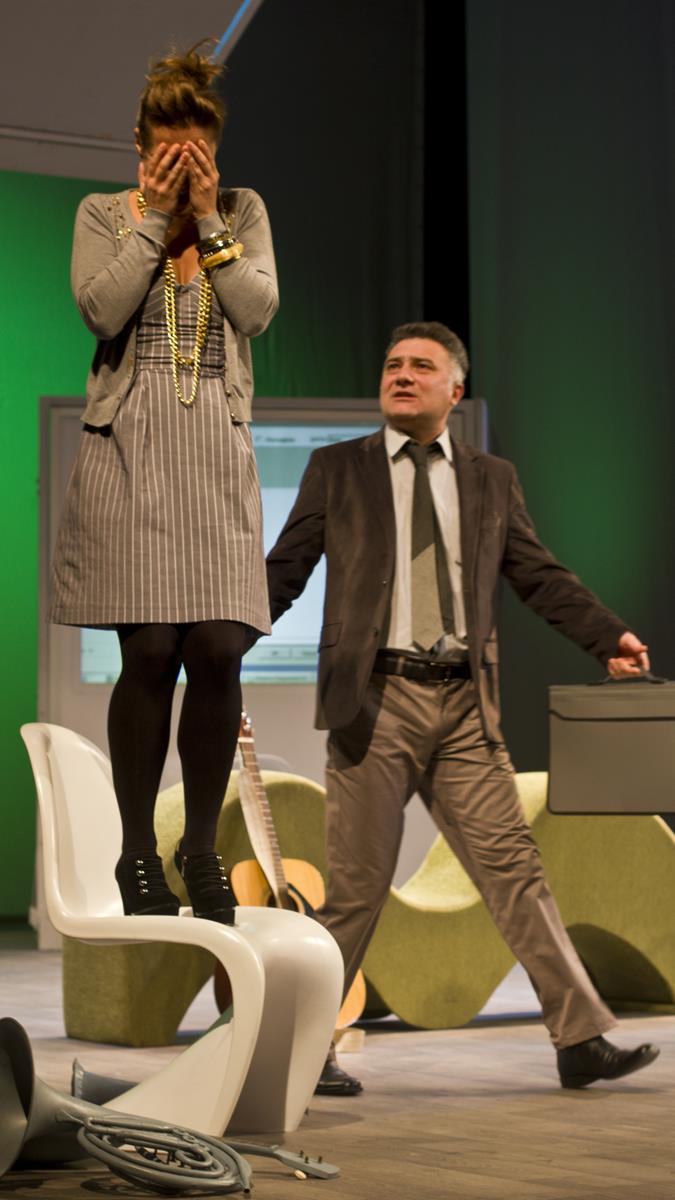
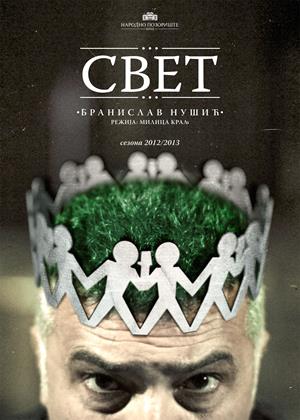
In his drama The World (1906), Nušić explores moral, social, and family relationships. At the heart of the story is a modest, patriarchal man who strives to preserve the dignity, integrity, and independence of his family from the influence of “the world” – the petty bourgeoisie and townspeople who, under the guise of good intentions, actually interfere maliciously and inappropriately in the lives of others.
Through dramatically tense situations interwoven with Nušić’s unmistakable humor, the play portrays the conflicts that shake and transform the life of a middle-class family, as well as the moral dilemmas and temptations faced by its protagonist.
DIRECTOR’S NOTE
Who’s Afraid of Virginia Woolf? is not merely an intimate drama about a middle-aged couple in crisis; it is an almost philosophical examination of the boundaries between reality and illusion. Through this play, Edward Albee raises questions that concern the very essence of human existence, rather than merely the relationships between individuals. Martha and George, the protagonists of the play, are not simply spouses trapped in a dysfunctional relationship, destructive games, and an inability to communicate in a normal way; they are symbols of the universal struggle between what is and what we wish could be. Truth and Illusion.
In this production, I was interested in how illusion becomes an inevitable part of our everyday lives. Each character, in their own way, creates and maintains an illusion simply to avoid painful truths about themselves and their life together. Is the illusion we create in life the only way we can survive in a world where reality is too difficult to bear?
In this sense, Who’s Afraid of Virginia Woolf? transcends a specific moment or place—it is a universal story about human nature. Although the characters are situated within the specific context of the American middle class, they serve as a universal metaphor for our constant struggle with ourselves, with society, and with a reality we cannot come to terms with.
This production is not merely a mirror of dysfunctional relationships, but also of the profound existential fear rooted within each of us. Fear of the truth, of failure, of emptiness. Confronting these fears may be the greatest challenge facing modern humanity. We also explored illusion in theatre. Where is the boundary? Does illusion become an obstacle on the path to truth, just as it does in life…
When is this performance playing?
You can find all upcoming dates on the Repertoire page.
BASIC INFORMATION
Genre
Drama
Age
14+
Premiere
December 25, 2012
Stage
Main Stage
CREATIVE TEAM
Director
Milica Kralj
Playwright
Branislav Nušić
Set Designer
Milica Bajić Đurov
Costume Designer
Marija Opačić
Language Consultant
Nataša Ilić
CHARACTERS
Toma Melentijević
Dejan Cicmilović
Stana, his wife
Sanja Krstović
Nada, their daughter
Katarina Mitić Pavlović
Jelkica, their daughter
Maja Banković
Sima Jeremić
Aleksandar Mihailović
Mrs. Živanović
Evgenija Stanković
Mr. Tomić
Dragiša Veljković
Music Teacher
Aleksandar Marinković
Aunt Kaja, Toma’s Maid
Jasminka Hodžić
Ana, Toma’s Maid
Katarina Arsić
TECHNICAL CREW
Head of Technical Department
Zoran Ilić
Stage Manager
Sreten Cvetković
Prompt
Miroslavica Živadinović
Sound Technician, Video Projection
Slobodan Ilić
Stage Technician
Slaviša Filipović
Set Builders
Marin Rajić, Mića Lazarević, Radovan Živković, Rade Krstić, Miodrag Đorđević
Props
Ozren Mitić, Dragan Nikolić
Lighting Design
Ivan Momčilović
Wardrobe
Dušica Mladenović, Alex Andar Marjanović
Makeup
Ljiljana Rašić, Marija Pešić
Tailoring
Vladimir Pekić, Snežana Aranđelović, Marina Stevanović
Carpentry and Metalwork
Bogoljub Đorđević, Branislav Nikolić, Goran Stanković, Dragan Perić