
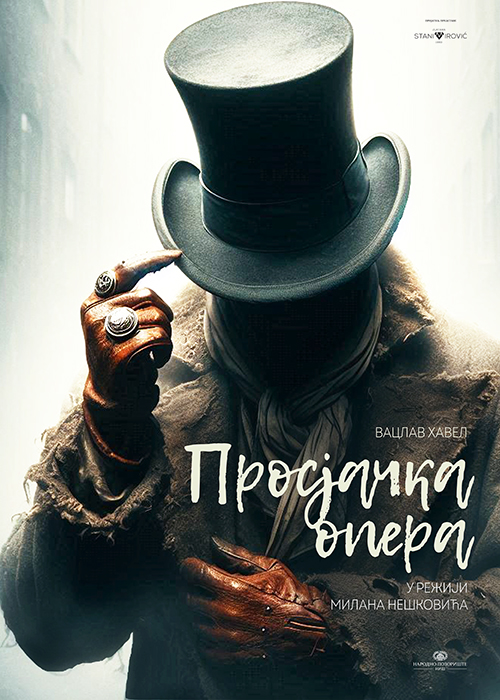
THE BEGGAR’S OPERA
drama
Václav Havel
ABOUT THE PLAYWRIGHT
Václav Havel (1936–2011) was a Czech writer, playwright, politician, and human rights activist, best known for becoming President of the Czech Republic after the fall of communism. His biography encompasses a deeply committed role in the struggle for freedom and democracy, as well as a significant contribution to literature.
He was born on October 5, 1936, in Prague, into a middle-class family. Although he was artistically gifted, his life was marked by challenges imposed by the political system in Czechoslovakia at the time. He graduated from the Academy of Performing Arts in Prague. He became a leader of the opposition to the communist regime and, during those years, was repeatedly imprisoned and persecuted, while his work was subject to censorship.
Havel was a key figure in the Velvet Revolution of 1989, which brought an end to communism in Czechoslovakia. He subsequently became the first president of the newly democratic Czechoslovakia, and later of the Czech Republic. He was also a prominent advocate of human rights and international dialogue, known for his engagement on the global political stage.
His literary work was deeply connected to his political and social views. Through his writing, he explored themes such as human rights, freedom, totalitarianism, and the absurdity of life in a society controlled by those in power.
He is best known for his plays, which often incorporated elements of the absurd and paradox, along with profound psychological and philosophical analysis. His essays were predominantly politically engaged, addressing themes such as democracy, human rights, and freedom. In these texts, he frequently emphasized the importance of individual consciousness and personal responsibility in the context of social and political events.
Václav Havel left a profound mark on literature, politics, and society, combining his artistic abilities with a strong political commitment. His works, as well as his political legacy, continue to inspire and encourage reflection on freedom, responsibility, and the power of the individual within society.
Tamara Milosavljević
DIRECTOR’S BIOGRAPHY
Milan Nešković was born in 1985 in Valjevo. He graduated in Theatre Directing from the Faculty of Dramatic Arts in Belgrade, in the class of Professor Nikola Jevtić and Professor Alisa Stojanović. For more than a decade, he has been actively engaged in various fields of culture throughout the region, and has received numerous awards and recognitions for his theatrical and artistic work.
At the National Theatre in Niš, he has so far directed three productions: Nineteen Fifteen (2013), Drivers (2014) and A Dream of Homeland (2023). In 2023, the production A Dream of Homeland won the award for Best Production Overall at the “Joakim Vujić” Festival, both according to the professional jury and the audience, while Milan Nešković received the award for Best Direction for the same production.
ABOUT THE BEGGAR’S OPERA
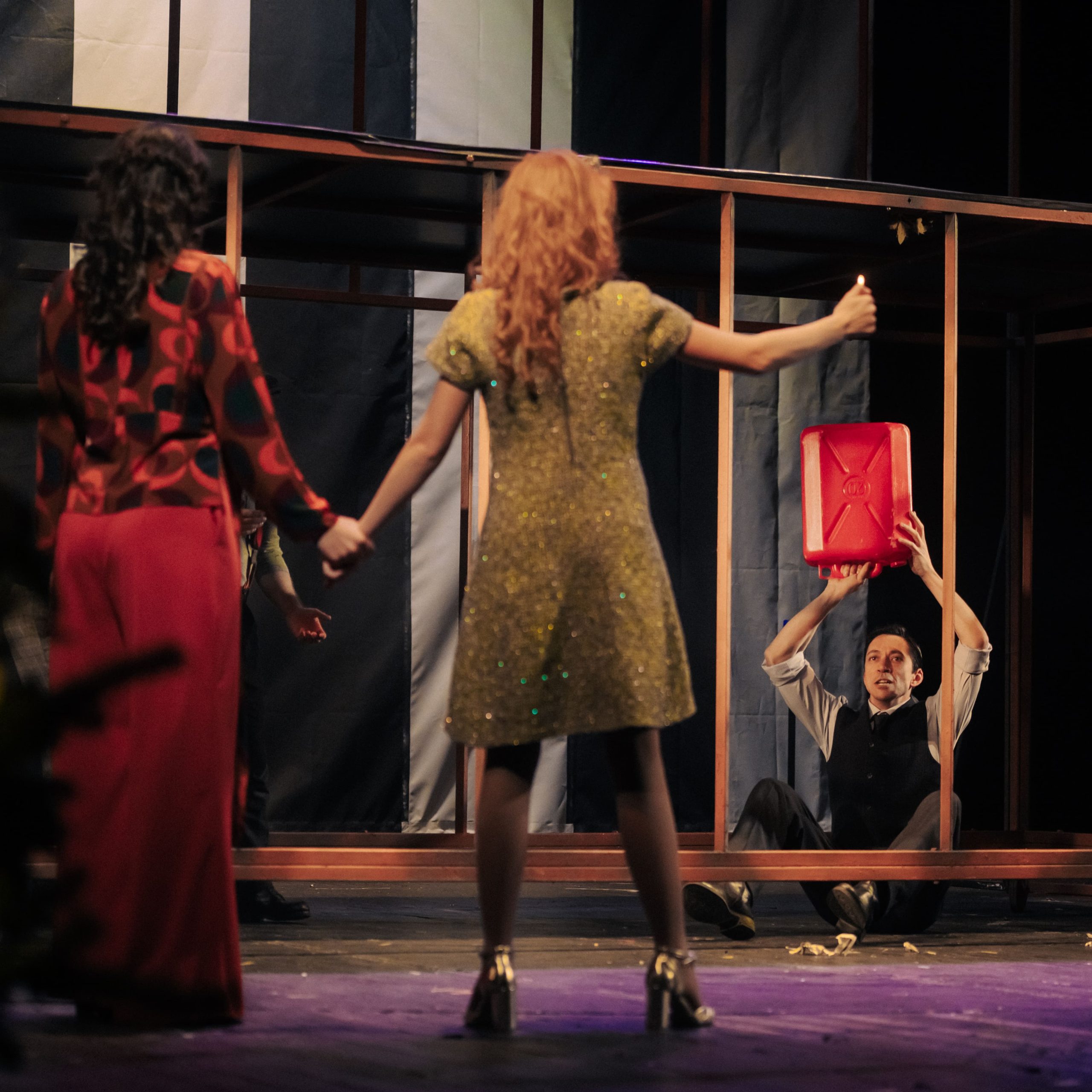
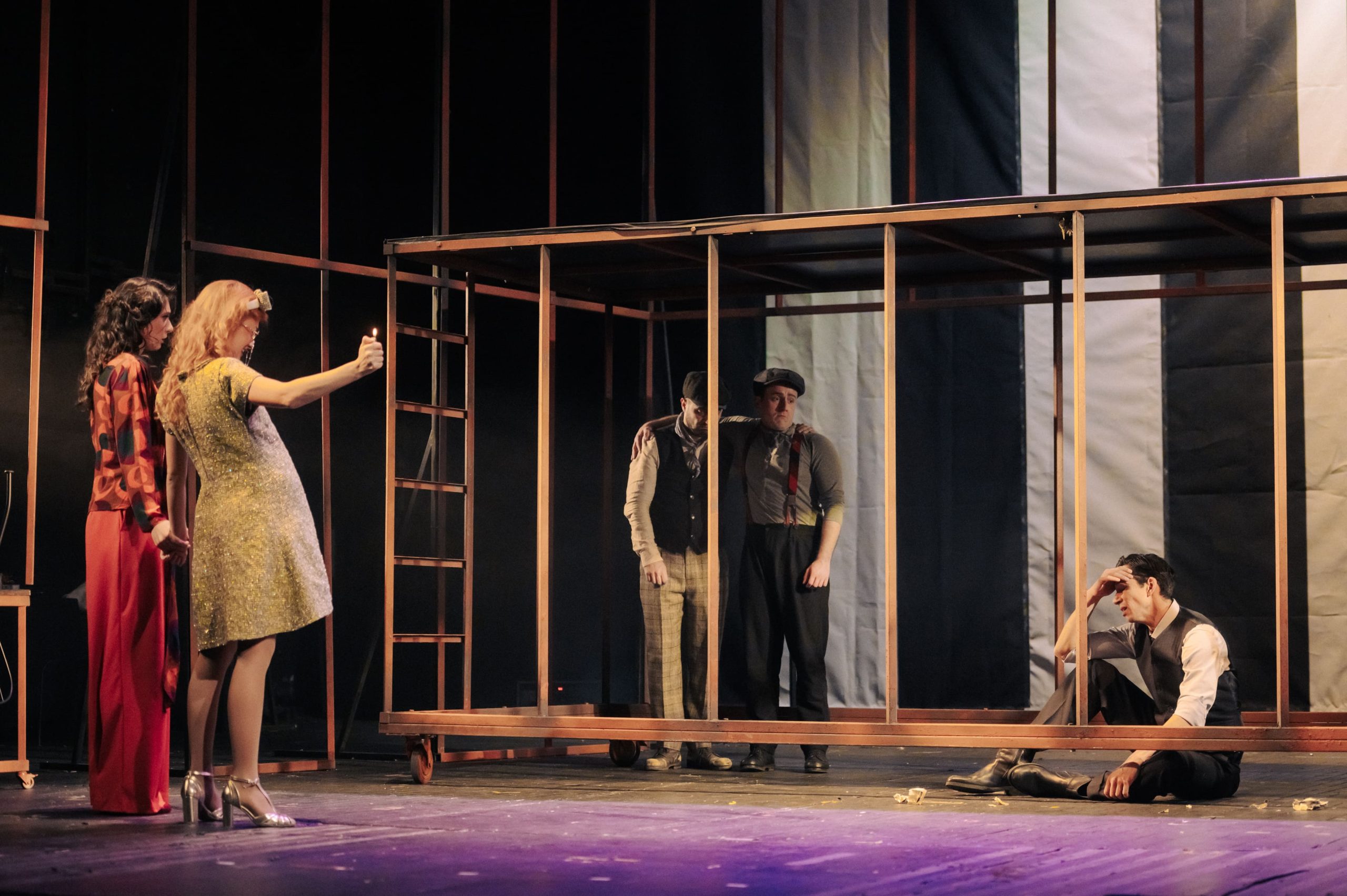
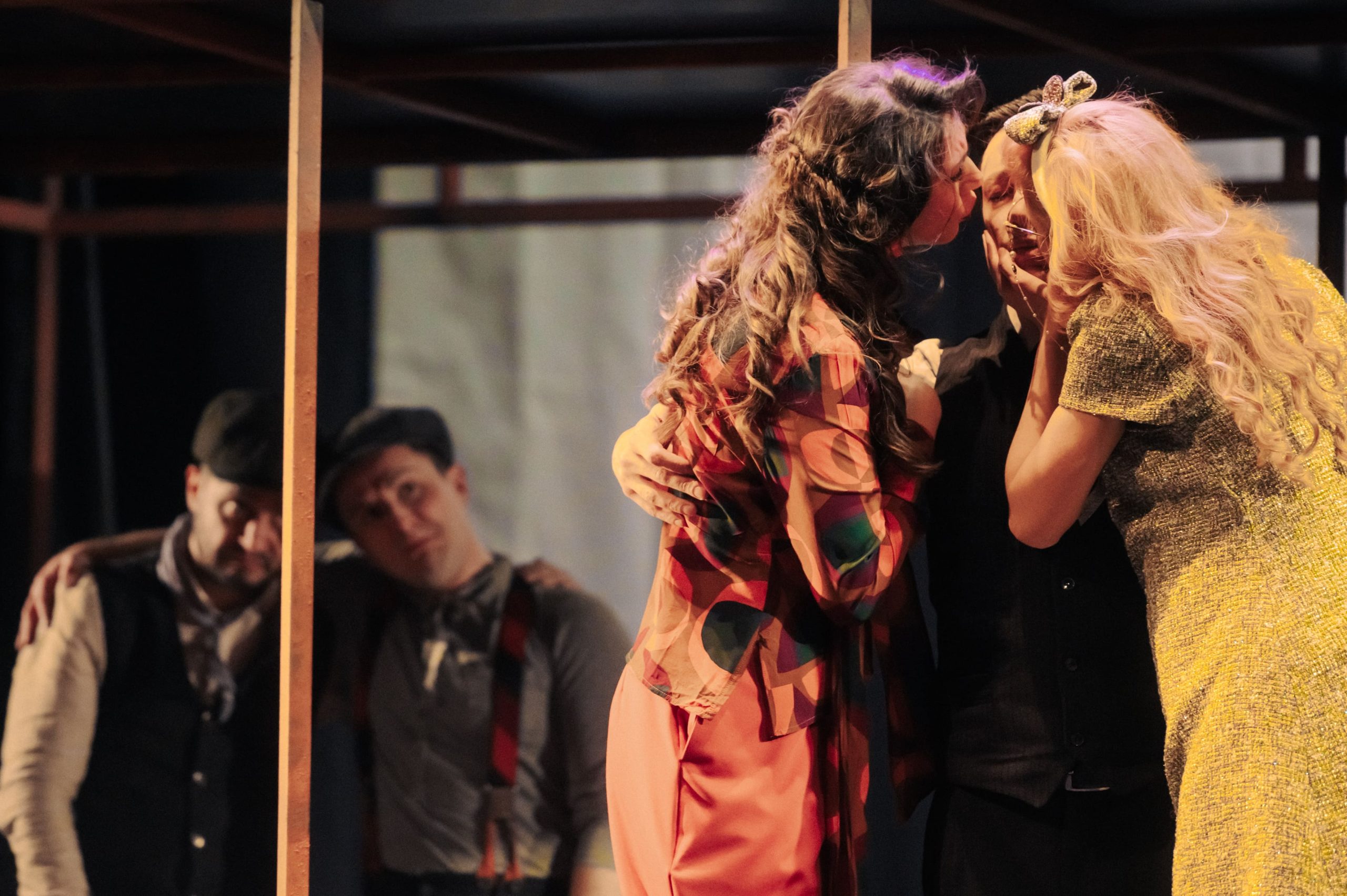
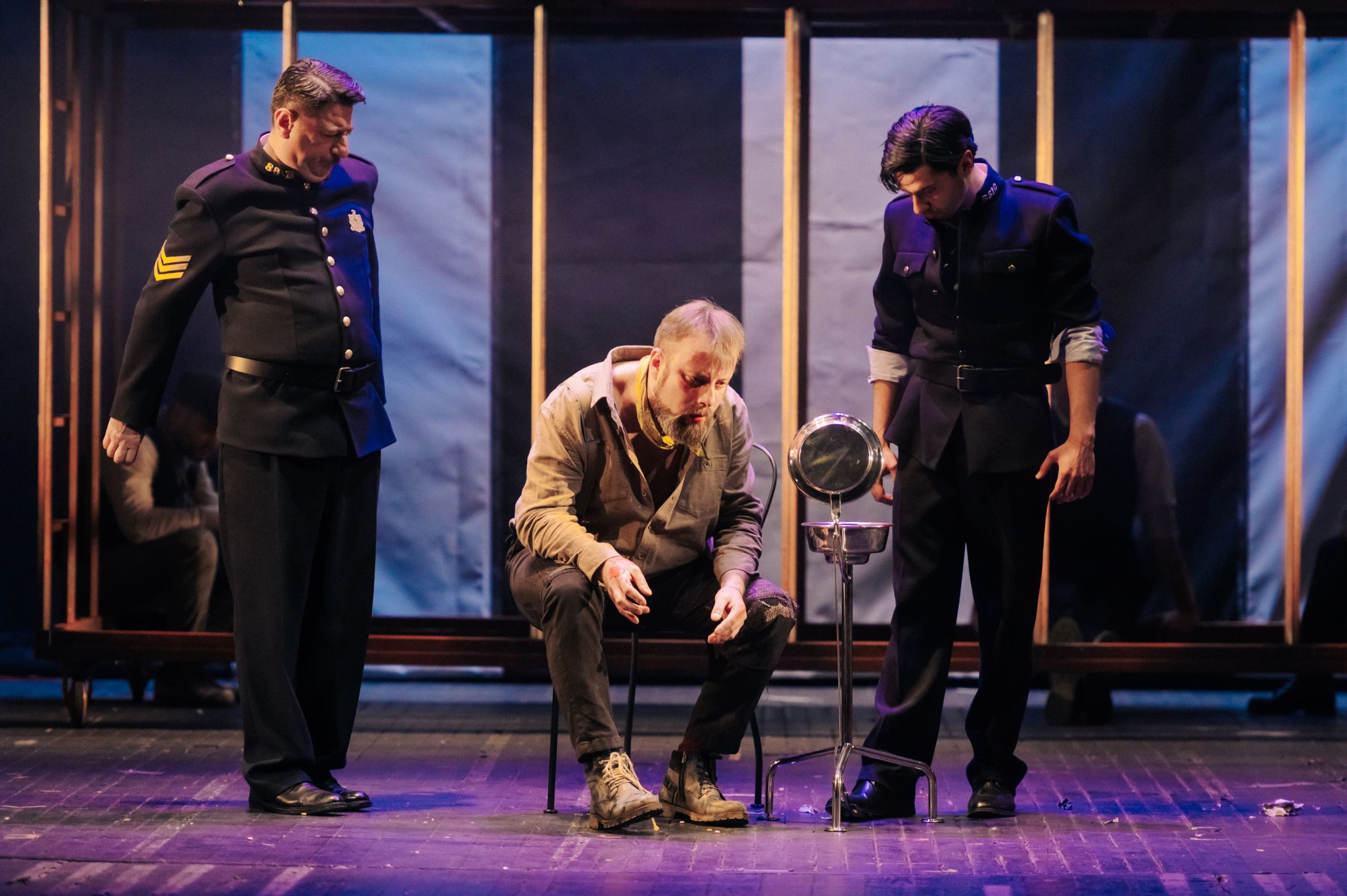
Drawing on The Beggar’s Opera by John Gay, written in 1728, Václav Havel created his own version of the play two and a half centuries later, in Czechoslovakia. Using the milieu of the English underworld of the 18th century, he re-examines the themes of love, honour, honesty, loyalty and betrayal in a completely different socio-political context. Hunger, crime, laws, courts and punishments – which apply only to the poor – the collusion between the police and criminals, corrupt authorities, and disenfranchised, invisible ordinary people who endure terror with their heads bowed are, unfortunately, not merely characteristics of Gay’s or Havel’s time.
On the cover of the American edition of Havel’s The Beggar’s Opera is a sentence by Miloš Forman: “Anyone who wants to understand why it is so easy for people in positions of power to abuse their fellow citizens should read this book.”
Although there is a statement attributed to Mark Twain that it is easier to deceive people than to convince them that they have been deceived, Havel calls upon the audience to step out of the comfort of deception, to critically analyse the reality in which they live and, if possible, to choose truth over lies.
Starting from the premise that nothing is as it seems, The Beggar’s Opera, as a portrait of a society in which honesty is in exile, exposes the mechanisms of manipulation, identifying language as the primary instrument of that mechanism. In a labyrinth of dubious social and family relationships, the brutal propaganda of those in power – from the very top to the lowest rung of its hierarchy – uses language as an instrument of deception, coercion, seduction and fraud. The agility with which the characters are able to ethically justify every unethical action they undertake is fascinating, as is the speed with which, time and again, they so confidently contradict themselves, and their willingness to take a position diametrically opposed to the one they held only moments before.
The protagonists’ “soulful” monologues are long, lack a logical sequence, and are designed to prevent any questioning, analysis or doubt regarding the credibility of their claims. The communicative strategies employed by the characters become tactics for falsifying the truth and deceiving the interlocutor who is attempting to arrive at knowledge. In a sociological context, such tactics create a diseased society founded on a system of lies.
Canadian sociologist Erving Goffman believed that people on the social stage behave like actors, taking on certain roles in order to create a desired image of themselves in public.
In our The Beggar’s Opera, the characters and events are fictional, but here too, just as in reality, nothing is as it seems, nor are its actors what they present themselves to be.
The Creative Team of the Production
When is this performance playing?
You can find all upcoming dates on the Repertoire page.
BASIC INFORMATION
Genre
drama
Running time
90 minutes
Age
14+
Premiere
11 March 2025
Stage
Main Stage
CREATIVE TEAM
Text
Václav Havel
Director
Milan Nešković
Set Designer
Gorčin Stojanović
Dramaturg
Jelena Mijović
Composer
Božidar Obradinović
Costume Designer
Biljana Grgur
Songwriter
Julija Petković – Duda Buržujka
Choreographer
Andreja Kulešević
Stage Speech
Nataša Ilić
Photography
Nikola Milosavljević
Organizer
Miloš Pavlović
CHARACTERS
Macheath
Miloš Cvetković
Peachum
Aleksandar Marinković
Mrs. Peachum
Maja Vukojević Cvetković
Polly
Milica Filić, k.g.
Lockit
Aleksandar Mihailović
Mrs. Lockit / Diana
Sanja Krstović
Lucy
Anastasija Rančić, k.g.
Filch, Pickpocket
Danilo Petrović
Jenny, Prostitute
Bratislava Milić
Moritat Singer
Marko Radojević
Jim, Macheath’s Associate
Stefan Mladenović
Jack, Macheath’s Associate
Aleksandar Stevanović, k.g.
Harold, Sergeant
Andrija Mitić
TECHNICAL TEAM
Pianist
Aleksandar Stevanović
Stage Manager
Dobrilа Marjanović
Sound Engineer
Slobodan Ilić
Lighting Design
Vojkan Dobrosavljević
Lighting
Marko Đorđević
Prompter
Vanja Šukleta
Technical Director
Dejan Mitić
Stage Master
Radomir Pešić
Set Builders
Srđan Kitanović, Miodrag Đorđević, Mića Lazarević, Nemanja Perić, Pavle Rajić
Props Master
Dragan Nikolić
Wardrobe
Dora Aleksić, Katarina Pavlović
Makeup and Wig Artists
Ljiljana Rašić, Marija Cvetanović, Ivana Lazarević
Tailoring
Aleksandra Jenić, Vladimir Pekić
Set Construction
Dragana Breza, Dušan Stanković
Workshop
Goran Stanković, Dragan Perić, Branislav Nikolić
Procurement
Zoran Denčić, Ivan Todorović
Driver
Nebojša Šarčević