
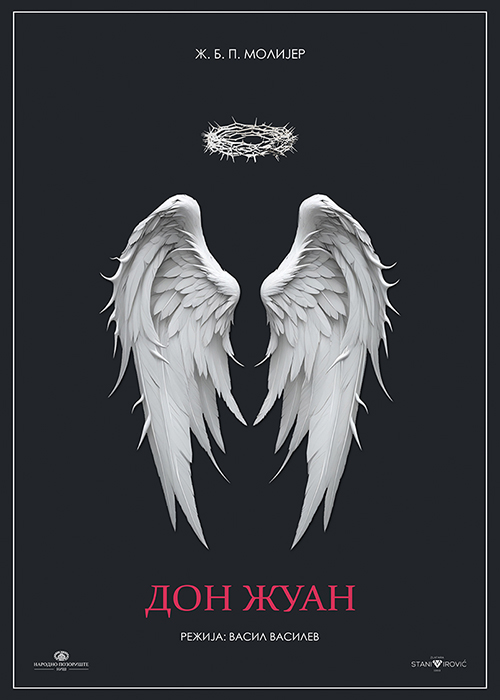
DON JUAN
drama
J. B. P. Molière (Jean-Baptiste Poquelin Molière)
ABOUT THE AUTHOR
The French writer Jean-Baptiste Poquelin Molière, one of the most significant comedy playwrights in the history of literature, was born on 15 January 1622 into a wealthy merchant family. It is assumed that he completed legal studies; however, at the age of twenty, in 1643, he joined the Béjart family’s theatre troupe. He used the name Molière as a pseudonym to avoid bringing shame upon his family due to his acting profession.
Performing for both common people and distinguished patrons of royal and noble lineage, and creating commissioned plays meant to entertain the king and his courtiers, he became the court playwright under the patronage of Louis XIV.
He was known for his satirical comedies that criticised social norms and hypocrisy. His style of writing embraced elements of comedy of manners and tragicomedy, while his characters often reflected societal flaws. Molière managed the theatre and wrote comedies in which he usually played the lead roles. He achieved his first major success in 1659 with the play The Affected Ladies. In more than 30 plays, he mocked class prejudices, corruption within the aristocracy and greed among the bourgeoisie.
During the performance of his last play The Imaginary Invalid, Molière collapsed on stage. He died several hours later, on 17 February 1673, and interestingly did not receive the last rites, as the priests refused to come at his request. According to the customs of the time, actors were not permitted to be buried on consecrated ground. Nevertheless, the king authorised his burial in the part of the cemetery reserved for unbaptised children.
On the Niš theatre stage, his plays have been featured in the repertoire since the very founding of the Sinđelić Theatre, such as:
1887/88 – The Misanthrope, The Imaginary Invalid, 1907 – The Imaginary Invalid, 1924 – The Imaginary Invalid, Tartuffe, 1936/37 – George Dandin, 1938 – Tartuffe, 1950 – The Doctor in Spite of Himself, 1951 – Tartuffe, 1952 – The Learned Ladies, 1987 – The School for Husbands, 2015 – George Dandin.
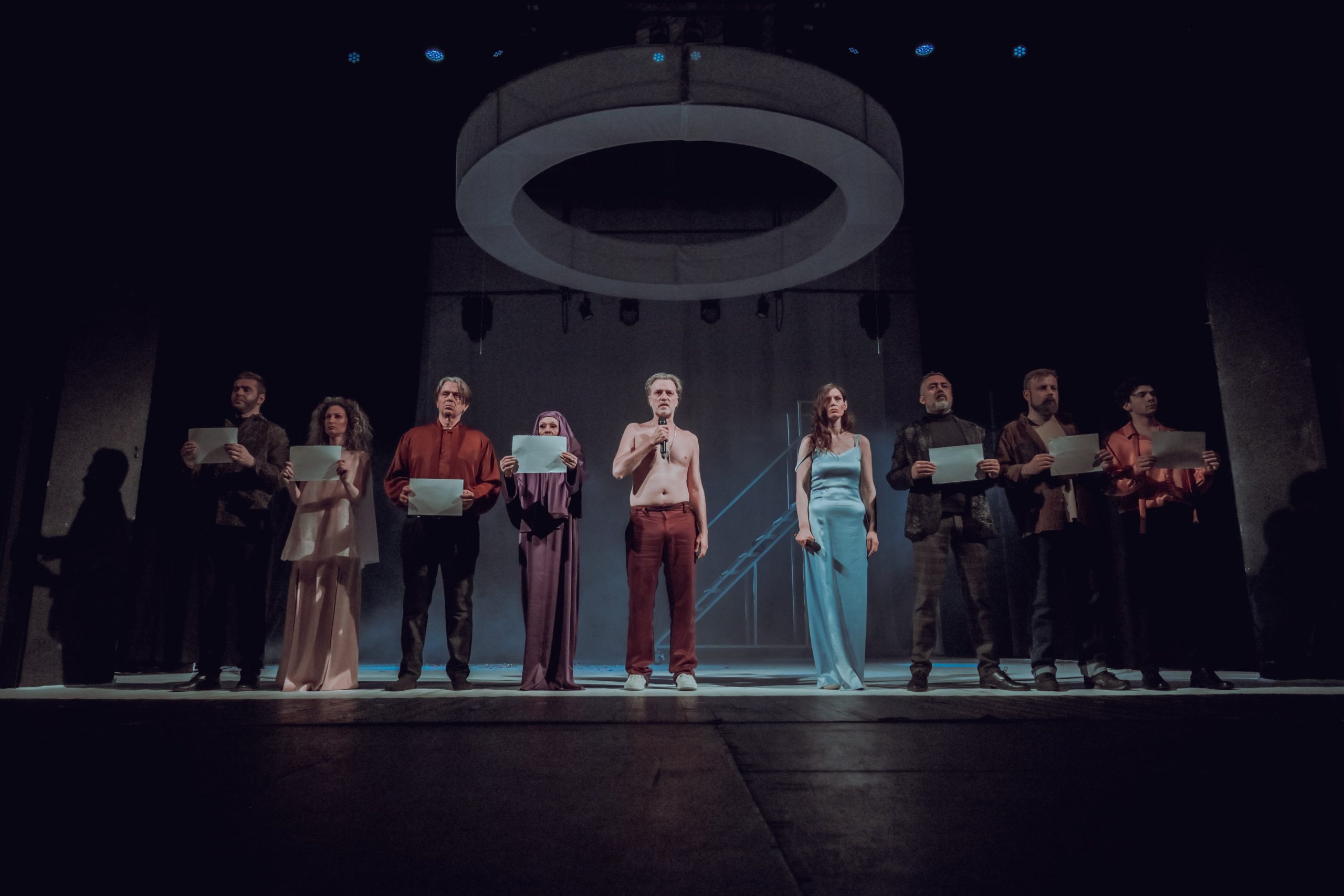
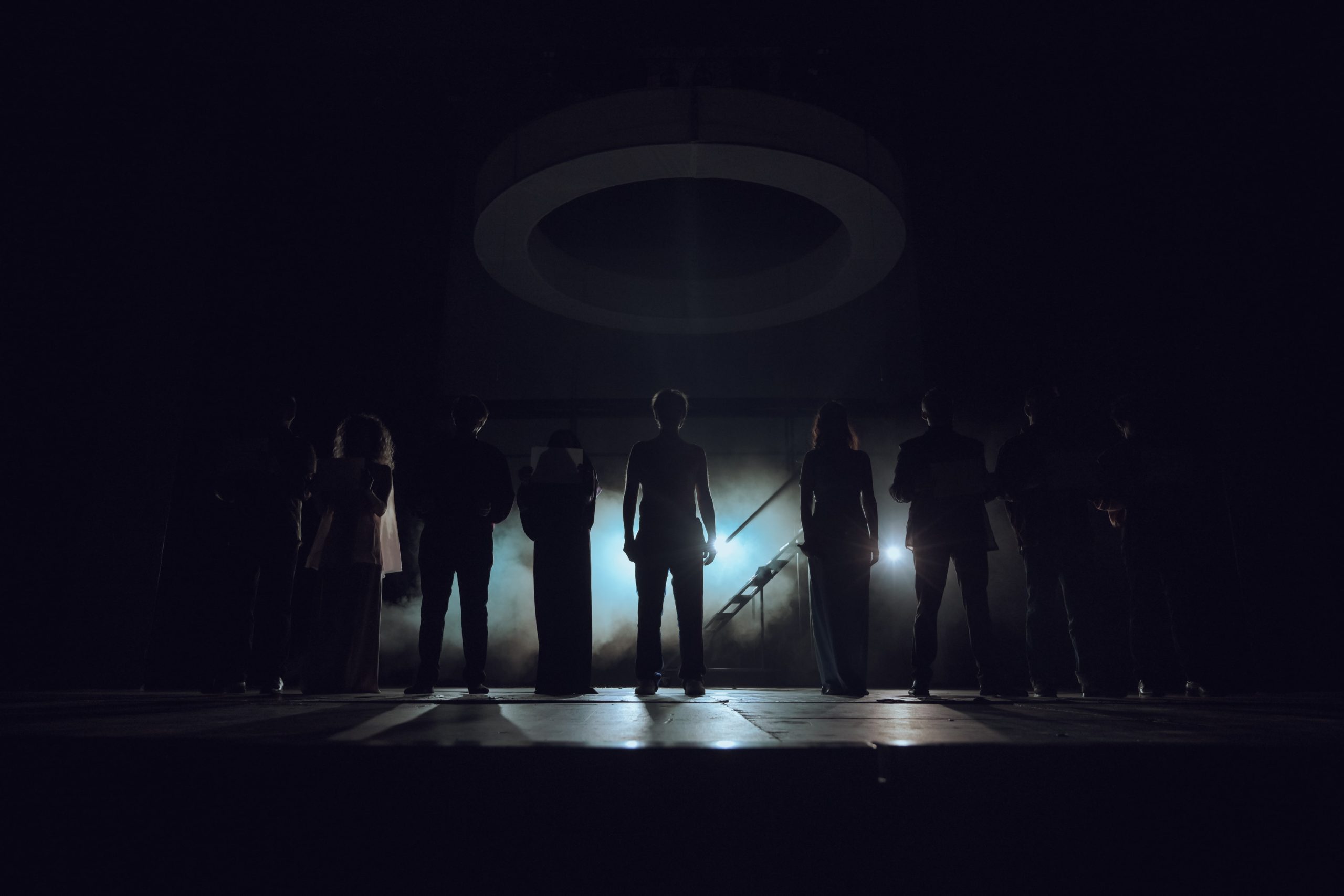
The National Theatre in Niš is now staging Molière’s Don Juan, written in 1665, for the first time. Molière wrote altogether 33 comedies, and his plays have been translated into numerous languages as well as performed worldwide.
Tamara Milosavljević
DIRECTOR’S BIOGRAPHY
Vasil Vasilev is a Bulgarian theatre director and performing arts manager, with extensive experience in the fields of cultural policy and management. He earned a postgraduate degree in theatre directing from the Krastyo Sarafov National Academy of Theatre and Film Arts and a degree in business management from the D. A. Tsenov Academy of Economics in 2015.
Vasilev received a Bronze Knight award in Moscow for the play The Face by Alexandar Galin. In 2019, he won the Best Director at the 9th International Chamber Theatre Festival, organised by the New European Theatre Action (NETA) for the play Contract by Mike Bartlett.
He has worked with various theatres across Bulgaria (Tears and Laughter Theatre, and Theatre 199 in Sofia; the Ivan Radoev Drama and Puppet Theatre in Pleven; the Sava Dobroplodni Drama and Puppet Theatre in Silistra, etc.). Vasilev has also directed at the National Theatre in Niš and the Anton Panov National Theatre in Strumica, North Macedonia. Some of his productions include: The Face, by Alexandar Galin, The Grönholm Method by Jordi Galceran, Boeing-Boeing by Marc Camoletti, and Seryozha is Very Stupid by Dmitry Danilov.
From 2006, he served as the managing director of theatres in Lovech and Pleven (Bulgaria) for two consecutive terms, during which he successfully transformed them into active institutional theatres and through his work brought them to the international stage. From 2013 to 2014, he held the position of Deputy Minister of Culture.
As of April 2022, Vasil Vasilev has been serving as the Managing Director of the Ivan Vazov National Theatre in Sofia.
DIRECTOR’S NOTE
A person’s life journey and the marks they leave on others, their constant pursuit of self-improvement, give them the opportunity to rise freely and destroy all the delusions that time brings. This is my Don Juan – the one who can transcend himself and no longer be Don Juan.
When is this performance playing?
You can find all upcoming dates on the Repertoire page.
BASIC INFORMATION
Genre
drama
Running time
80 minutes
Age
14+
Premiere
21 January 2025
Stage
Main Stage
CREATIVE TEAM
Text
J. B. P. Molière
Adaptation and Direction
Vasil Vasilev
Dramaturg
Spasoje Ž. Milovanović
Set and Costume Design
Marija Kunčeva
Choreography
Rosen Mihailov
Composer
Milen Apostolov
Language Consultant
Nataša Ilić
Photography
Nikola Milosavljević
Organizer
Snežana Jović
CAST
Don Juan
Dejan Lilić, guest artist
Sganarelle, Don Juan’s servant
Dragiša Veljković
Elvira, Don Juan’s wife
Maja Vukojević Cvetković
Don Carlos, Elvira’s brother
Andrija Mitić, guest artist
Don Alonso, Elvira’s brother
Uroš Milojević
Charlotte, peasant girl
Katarina Mitić Pavlović
Mathurine, peasant girl
Katarina Arsić
Pierrot, peasant
Danilo Petrović
Monsieur Dimanche, merchant
Marjan Todorović
Beggar, apparition, statuette
Miloš Mitrović, guest artist
TECHNICAL TEAM
Stage Manager
Slobodan Ilić
Sound Engineer
Dobrica Marjanović
Lighting Design
Dejan Cvetković
Lighting
David Jovanović
Prompter
Vanja Šukleta
Technical Director
Dejan Mitić
Stage Manager
Radomir Pešić
Set Construction Crew
Srđan Kitanović, Miodrag Đorđević, Mića Lazarević, Nemanja Perić, Marin Rajić
Props Master
Dragan Nikolić
Wardrobe
Dušica Mladenović, Katarina Pavlović
Make-up and Wig Artists
Ljiljana Rašić, Marija Cvetanović
Tailoring
Aleksandra Jenić, Vladimir Pekić
Set Construction
Dragana Breza, Dušan Stanković
Workshop
Goran Stanković, Dragan Perić, Branislav Nikolić
Procurement
Zoran Denčić, Ivan Todorović
Driver
Nebojša Šarčević